Nature

19 questions

ManacorLlevant

What is the climate like in Manacor?

Manacor enjoys a typical Mediterranean climate, characterized by mild, wet winters and hot, dry summers. The average annual temperature is around 18 °C. The coastal areas are semi-arid, while the inland and mountainous regions tend to be drier, making it a pleasant destination year-round.
For visitors ›

ManacorLlevant

What outdoor activities are available in Manacor?

Manacor offers a range of outdoor activities, including hiking in the surrounding hills and exploring the beautiful coastline. The nearby beaches, such as Cala Anguila and Cala Mendia, are perfect for swimming and sunbathing. Additionally, the area is great for cycling and enjoying nature walks, especially in the scenic landscapes.

For visitors ›

CapdeperaLlevant

What are some popular beaches near Capdepera?

Capdepera is close to several beautiful beaches, collectively known as Cales de Capdepera. Notable ones include Cala Rajada, Cala Mesquida, and Canyamel. These beaches feature stunning landscapes, sandy shores, and are popular among tourists for swimming, sunbathing, and water sports.

For visitors ›

CapdeperaLlevant

How is the climate in Capdepera?

Capdepera enjoys a Mediterranean climate characterized by mild, wet winters and hot, dry summers. Average annual rainfall ranges from 500 to 800 mm, with most precipitation occurring in October. The summer months of June and July are the driest, making it a popular time for visitors to enjoy the beaches.

For residents ›

CapdeperaLlevant

What are the main geographical features of Capdepera?

Capdepera is situated in the northeastern part of Mallorca, characterized by a mix of coastal cliffs, sandy beaches, and rolling hills. The region features diverse landscapes, including the nearby Serra de Llevant mountains and various natural parks, making it ideal for outdoor activities and nature exploration.

For visitors ›

ArtàLlevant

What are the best beaches to visit in Artà?

Artà boasts several beautiful beaches, including S’Arenal de Sa Canova, known for its extensive dunes, and S’Estanyol, which offers a picturesque coastal path. Other notable beaches are Cala Torta and Cala Mitjana, ideal for enjoying the natural beauty and tranquility of the area.

For visitors ›

ArtàLlevant

What outdoor activities can I do in Artà?

Artà offers various outdoor activities, including hiking in the surrounding hills of the Massís d’Artà and enjoying its beautiful beaches. The coastal area features paths for walking and cycling, allowing visitors to explore the natural beauty of the region.

For visitors ›

ArtàLlevant

Are there any notable natural features in Artà?

Artà is home to the Massís d’Artà, characterized by its moderate to high hills, including Puig Morei, which rises to 561 meters. The area features diverse landscapes, including rocky coves, sandy bays, and rich vegetation, making it a haven for nature lovers.

For visitors ›

PalmaPalma

How is the climate in Palma throughout the year?

Palma has a hot semi-arid climate with mild winters and hot summers. The average annual temperature is around 18.5 °C (65 °F). Summers can reach highs of 30.2 °C (86 °F) in August, while winters are mild, making it a pleasant destination year-round.

For visitors ›

MarratxíRaiguer

What are the main natural spaces in Marratxí?

Marratxí features several protected natural areas, including Garriga de Son Caulelles, Puig de Son Seguí, and Son Cos. These areas host diverse flora and fauna, such as various bird species and interesting plant life, including orchids. They also contain archaeological sites, like prehistoric remains and a Roman road, making them significant for both nature lovers and history enthusiasts.

For visitors ›

MarratxíRaiguer

What kind of climate does Marratxí have?

Marratxí experiences a Mediterranean climate characterized by mild winters and hot summers. Winters can see occasional frost and light snowfall, while summers are typically warm, making it a pleasant place to live and visit throughout the year.

For residents ›

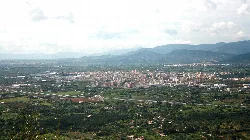
Panoramic view of Inca and the surrounding mountains from Puig de Santa Magdalena.
IncaRaiguer

What is the view like from Puig de Santa Magdalena?

The view from Puig de Santa Magdalena offers a stunning panorama of Inca and the surrounding mountains. This elevated vantage point allows visitors to appreciate the natural beauty of the area, showcasing the lush landscapes and the town's layout. It's a perfect spot for photography and enjoying the serene environment of Mallorca.

For visitors ›

IncaRaiguer

What is the significance of the Torrent de Can Tabou?

The Torrent de Can Tabou is a key hydrological feature in Inca, forming part of the larger Torrent de Muro basin. It plays an essential role in the local ecosystem and has historical significance as it has been utilized for irrigation and water management in the region, reflecting the area's agricultural heritage.

Torrent de Can Tabou For residents ›

l'AlcúdiaRaiguer

How is the climate in Alcúdia throughout the year?

Alcúdia has a mild subtropical climate with an average annual temperature of 16.8 °C. Summers are warm, averaging 23.5 °C, while winters are cooler, averaging 10.7 °C. The area experiences about 82 rainy days per year, making summers particularly dry, ideal for outdoor activities.

For residents ›

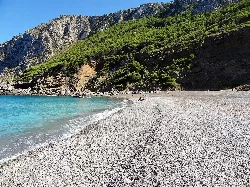
Sandy beach with green hills and cliffs in the background.
l'AlcúdiaRaiguer

What activities are popular at Platja des Coll Baix?

Platja des Coll Baix is a beautiful beach located on the Victòria Peninsula near Alcúdia. It's known for its stunning views and clear waters, making it a popular spot for swimming, sunbathing, and enjoying water sports. The surrounding cliffs add to its natural beauty, attracting nature lovers.

Platja des Coll Baix For visitors ›

CalviàSerra de Tramuntana

What is the climate like in Calvià?

Calvià enjoys a mild Mediterranean climate, characterized by hot, dry summers and cool, wet winters. The average annual temperature is around 19 °C, with July being the driest month and December the wettest. This climate supports a diverse range of flora and fauna, making it an attractive area for nature lovers.

For visitors ›

CalviàSerra de Tramuntana

How is the natural landscape of Calvià?

Calvià features a diverse natural landscape, with the Serra de Tramuntana mountains to the north and beautiful coastal areas. The region includes protected rural land, rocky shores, and sandy beaches, making it an ideal spot for outdoor activities like hiking, swimming, and birdwatching.

For visitors ›

SóllerSerra de Tramuntana

What are the main hiking trails near Sóller?

Sóller is a popular base for hiking in the Serra de Tramuntana. The GR 221 long-distance trail runs through the area, offering various routes for different skill levels. Notable hikes include paths to the Barranc de Biniaraix and the Mirador de ses Barques, providing stunning views of the surrounding landscapes and the Mediterranean Sea.

For visitors ›

SóllerSerra de Tramuntana

What is the significance of the old olive trees around Sóller?

The ancient olive trees, such as Es Camell and Sa Madona des Barranc, are significant cultural and historical symbols for Sóller. They represent the region's agricultural heritage and the traditional practices of olive cultivation. These trees are not only important for their age but also for the role they play in the local ecosystem and economy.

For residents ›