What are the main attractions in Manacor?
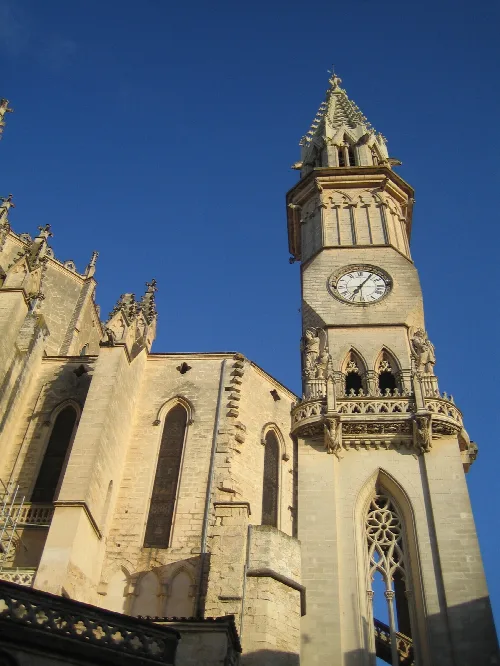
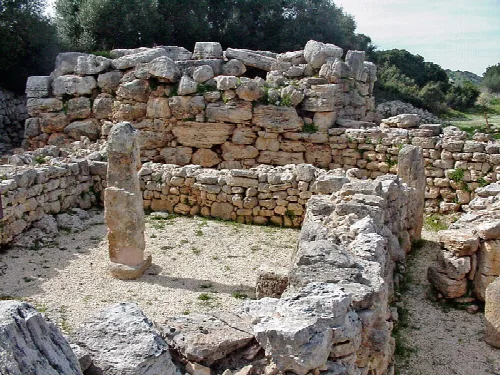
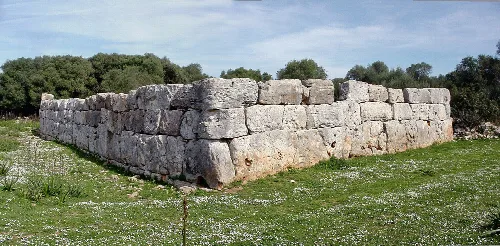
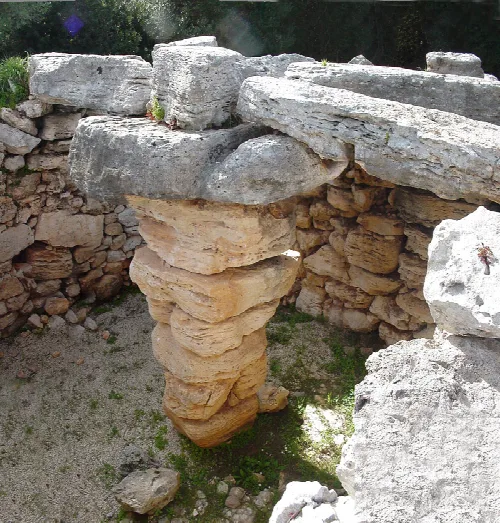
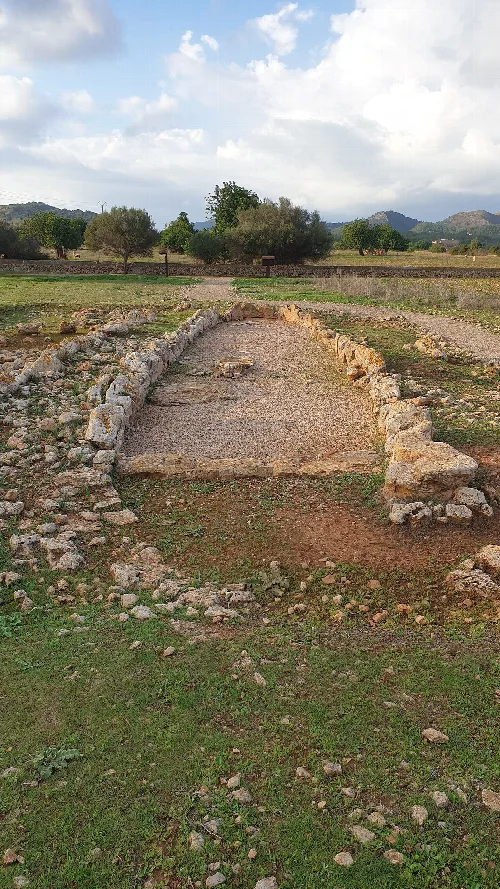
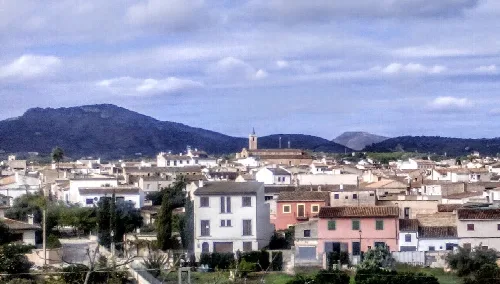
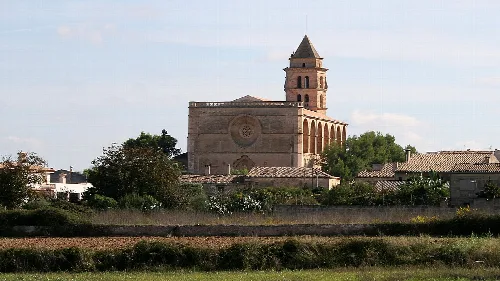
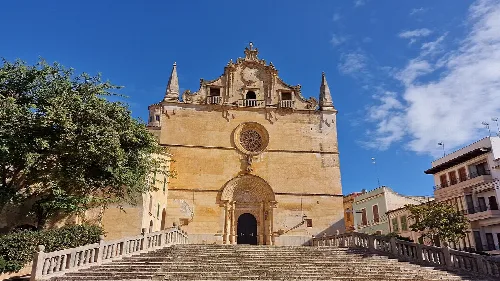
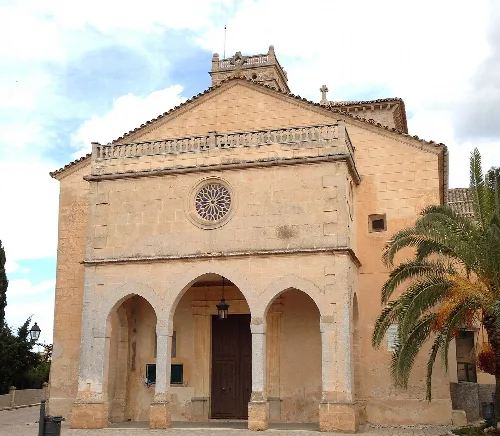
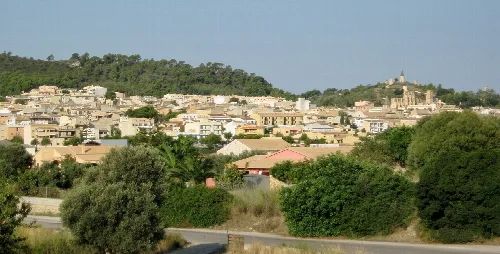
Manacor is known for its historical sites, including the Nostra Senyora dels Dolors church, which features a striking neogothic design and the tallest tower in Mallorca. The Museu d’Història de Manacor showcases local archaeology and ethnography. Additionally, the nearby Coves del Drac offer stunning underground caves and concerts in the Martelsee, making them a popular destination.
Sights
Can you tell me about the history of Manacor?
Manacor has a rich history dating back to prehistoric times, with human settlement evidence from 2000 to 1400 BC. The town was granted city rights in 1300 by Jaume II. Over the centuries, it evolved from a primarily agricultural economy to an industrial center, especially known for furniture and pearl manufacturing, particularly after the arrival of the railway in 1879.
History
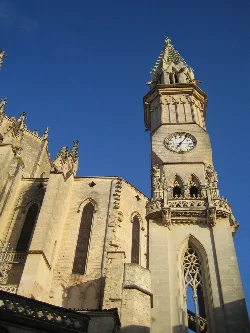
What is the significance of the Torre Rubí in Manacor?
The Torre Rubí, part of the Nostra Senyora dels Dolors church, is notable for being the highest building in Mallorca at 80 meters. Built in the late 19th century, it stands on the site of previous churches and is a key landmark in Manacor, showcasing the town's architectural heritage and historical significance.
Sights
Nostra Senyora dels Dolors
What is the climate like in Manacor?
Manacor enjoys a typical Mediterranean climate, characterized by mild, wet winters and hot, dry summers. The average annual temperature is around 18 °C. The coastal areas are semi-arid, while the inland and mountainous regions tend to be drier, making it a pleasant destination year-round.
Nature
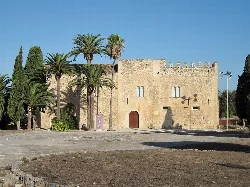
What can I find at the Manacor Historical Museum?
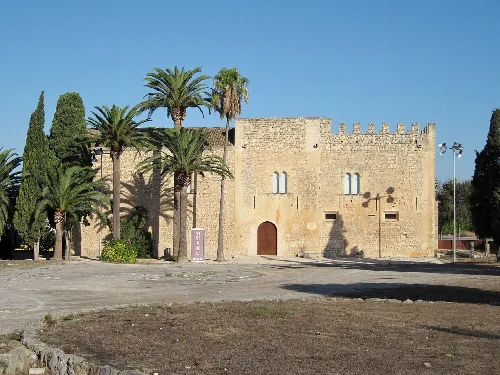
The Museu d’Història de Manacor features exhibits on local archaeology and ethnography, including significant artifacts like the Balèria mosaic from an early Christian basilica and various historical graffiti. The museum is housed in the Torre dels Enagistes, a 14th-century structure, and entry is free, making it accessible for visitors interested in the region's history.
Sights
Museu d’Història de Manacor
Are there any local markets in Manacor?
Yes, Manacor hosts several local markets. The fruit and vegetable market takes place on the Plaça Constitució every weekday morning. Additionally, there is a weekly market on the Plaça Ramon Llull every Monday morning, where visitors can find a variety of local products and goods.
Food & drink
What is the best way to get to Manacor?
Manacor is well-connected by road, making it accessible by car or bus from other parts of Mallorca. The town is also served by a railway line, with trains running from Palma to Manacor, providing a convenient option for visitors traveling from the capital. This connectivity enhances its appeal as a destination.
Getting there
What is the local cuisine like in Manacor?
Manacor's local cuisine features traditional Mallorcan dishes, emphasizing fresh, local ingredients. You can find a variety of seafood, meats, and seasonal vegetables, often prepared in rustic styles. Local markets are great places to sample fresh produce and regional specialties, making it a delightful culinary experience.
Food & drink
What outdoor activities are available in Manacor?
Manacor offers a range of outdoor activities, including hiking in the surrounding hills and exploring the beautiful coastline. The nearby beaches, such as Cala Anguila and Cala Mendia, are perfect for swimming and sunbathing. Additionally, the area is great for cycling and enjoying nature walks, especially in the scenic landscapes.
Nature
What should I know about living in Manacor?
Living in Manacor offers a blend of urban and rural life, with access to essential services and a strong community feel. The town has a rich cultural heritage and hosts various events throughout the year. The cost of living is generally lower compared to Palma, making it an attractive option for residents seeking a quieter lifestyle with good amenities.
Living there
For residents
 mallorca.net