What can you tell me about the castle in Artà?
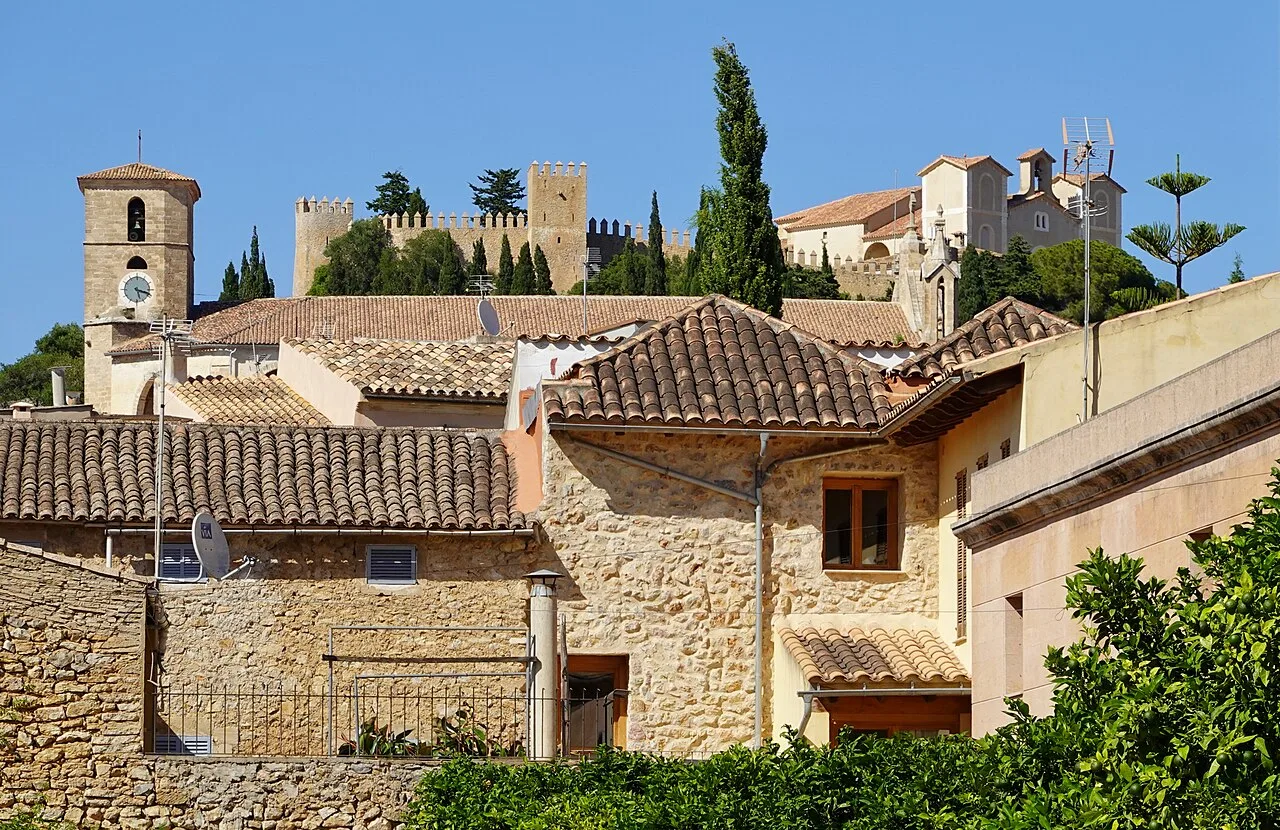
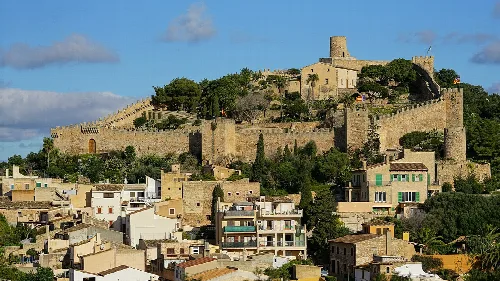
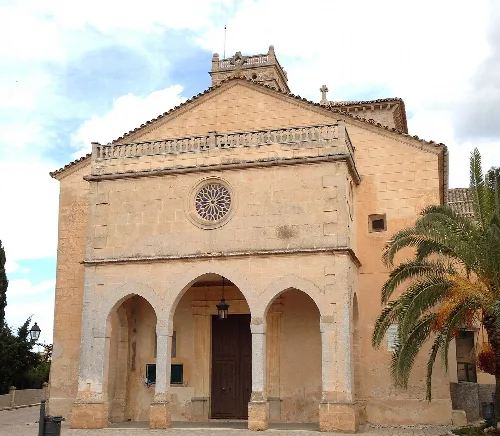
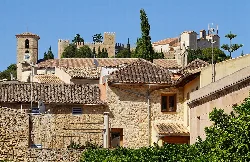
The castle in Artà, known as the Almudaina, is a historic fortress that dates back to before the Islamic-Arab possession of Mallorca. It features a one-meter thick wall with nine towers, including the main tower of Sant Miquel. The castle surrounds the pilgrimage church of Santuari de Sant Salvador, which houses a carved wooden statue of the Virgin Mary.
History
castle
What is the significance of the church of Santa Maria de Bellpuig?
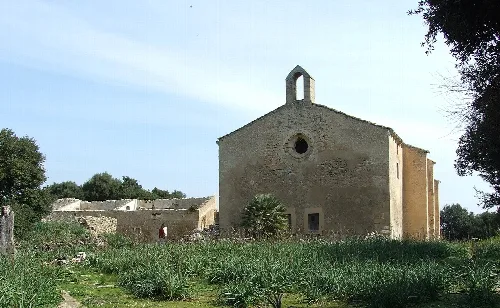
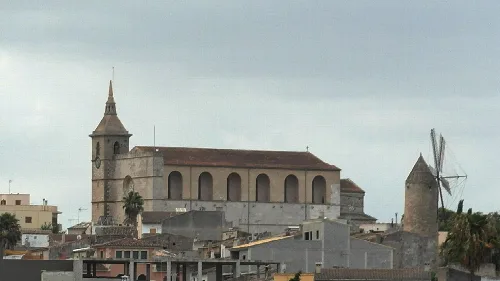
The church of Santa Maria de Bellpuig is significant as it was founded by the Norbertines, or White Monks, in the 13th century. It played a crucial role in the establishment of the town of Artà and reflects the area's religious heritage. The church is located three miles southwest of Artà and is part of the historical context of the region.
History
Santa Maria de Bellpuig
What are the best beaches to visit in Artà?
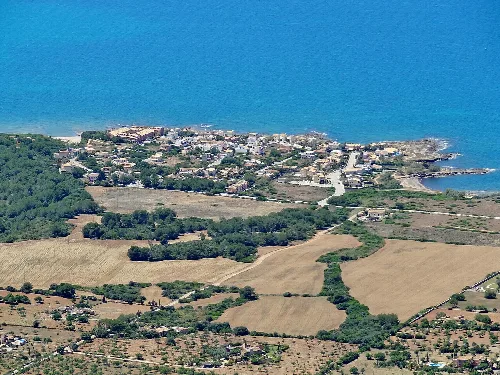
Artà boasts several beautiful beaches, including S’Arenal de Sa Canova, known for its extensive dunes, and S’Estanyol, which offers a picturesque coastal path. Other notable beaches are Cala Torta and Cala Mitjana, ideal for enjoying the natural beauty and tranquility of the area.
Nature
Is there a train station in Artà?
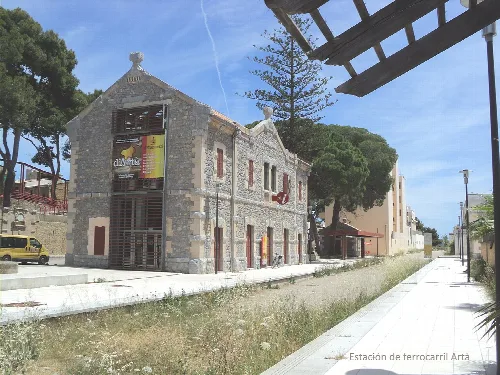
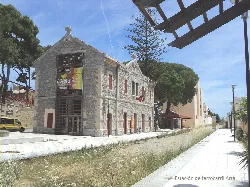
Yes, Artà has a historic train station featuring a stone facade and tiled roof. Although the railway line is no longer in operation, the station remains a notable building surrounded by trees and modern infrastructure, reflecting the town's historical transport links.
Getting there
What kind of events does Artà host throughout the year?
Artà hosts several events, including the Festival of Sant Salvador in August, which features various activities, and the Saint Anthony festival in January. Additionally, an art trade fair takes place on the second Sunday in September, showcasing local crafts and products.
Festivals & events
What is the local cuisine like in Artà?
Artà's local cuisine features traditional Mallorcan dishes, often made with fresh, local ingredients. Visitors can enjoy specialties such as ensaimadas, sobrasada, and various seafood dishes, reflecting the town's coastal location and agricultural heritage.
Food & drink
How has the population of Artà changed over the years?
The population of Artà has seen gradual growth, increasing from 7,113 in 2008 to 7,448 in 2016. This growth reflects the town's appeal as a residential area and tourist destination, contributing to its vibrant community.
Living there
For residents
What outdoor activities can I do in Artà?
Artà offers various outdoor activities, including hiking in the surrounding hills of the Massís d’Artà and enjoying its beautiful beaches. The coastal area features paths for walking and cycling, allowing visitors to explore the natural beauty of the region.
Nature
What is the Regional Museum of Artà like?
The Regional Museum of Artà, founded in 1927, showcases a variety of artifacts from the region, including ethnological, natural history, and archaeological exhibits. It provides insight into the local culture and history, making it a worthwhile visit for those interested in the area's heritage.
Sights
Are there any notable natural features in Artà?
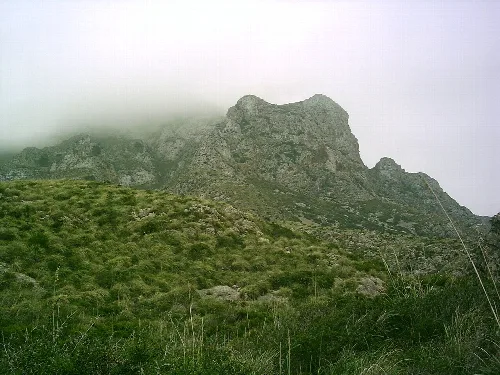
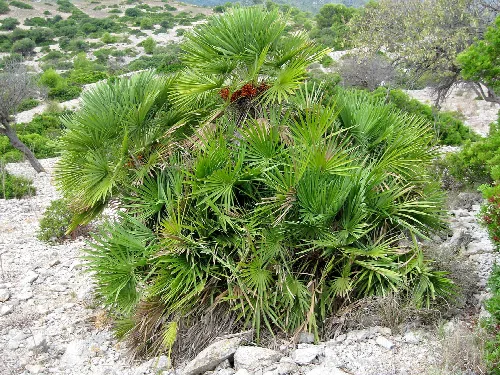
Artà is home to the Massís d’Artà, characterized by its moderate to high hills, including Puig Morei, which rises to 561 meters. The area features diverse landscapes, including rocky coves, sandy bays, and rich vegetation, making it a haven for nature lovers.
Nature
 mallorca.net