Calvià is a municipality and resort town located in the southwestern part of Mallorca, Spain. Known for its beautiful coastline and vibrant tourist areas, it is a significant destination within the Balearic Islands.
02Geography
Calvià is situated in the western region of Mallorca, bordered by the Sierra de Tramuntana to the north and the Mediterranean Sea to the south. The municipality covers an area of approximately 145.02 km², featuring a diverse landscape that includes both mountainous terrain and coastal regions. The coastline is characterized by rocky shores and sandy beaches, with notable localities such as Magaluf and Santa Ponsa.
Distance to coast
Varies by locality
Highest point
Puig de Galatzó at 1,026 m
Coastline length
54 km
Number of beaches
34
03History
Calvià's history dates back to ancient times, with evidence of settlement from the Neolithic Era. The area has seen various cultural influences, including Roman and Muslim occupations, before being conquered by King James I of Aragon in 1229. The municipality has a rich historical narrative, marked by agricultural development and later, significant urbanization due to tourism.
First historical mention
Conquest by James I of Aragon 1229
Establishment of parish church 1248
Gained status of villa 1285
Calvià is a municipality in Mallorca, known for its resorts, rich history, and beautiful Mediterranean coastline.
04Localities
Calvià comprises several localities, each with its own character and significance. Notable areas include Palma Nova, known for its tourist infrastructure, and Santa Ponsa, historically significant as the landing site of James I. Other localities like Portals Nous and Peguera also attract visitors, contributing to the municipality's reputation as a major tourist destination.
Palma Nova Important tourist area with historical roots
Santa Ponsa Landing site of James I of Aragon
Portals Nous Popular among high society and celebrities
Peguera Favored by German tourists
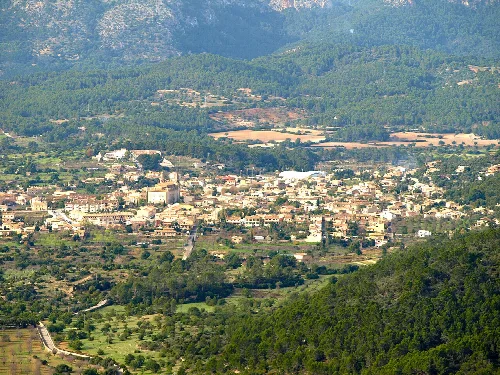
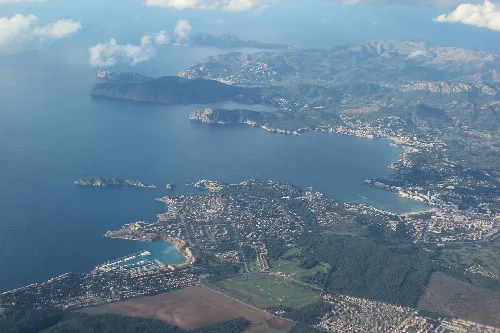
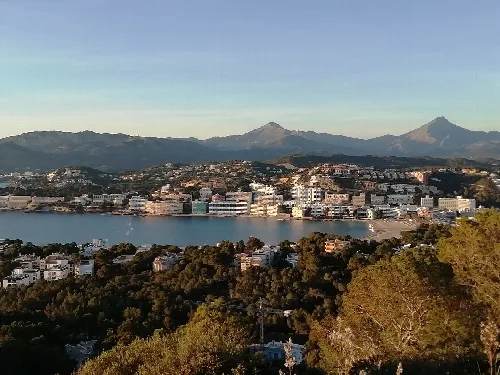
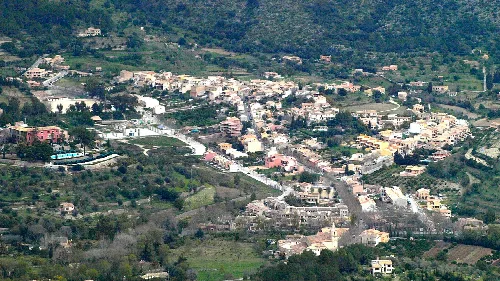
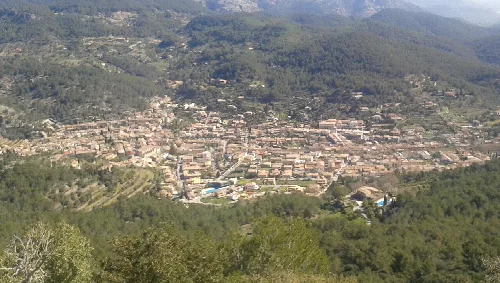
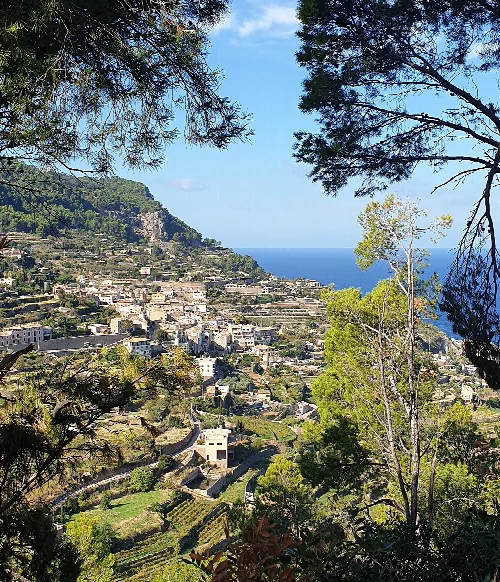
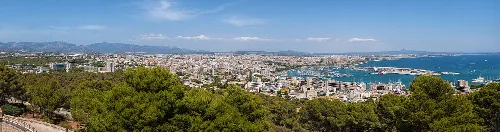
View of Calvià village from the 'Mirador de n'Alçamora' in the Serra de TramuntanaAerial view of Santa Ponça Bay with surrounding mountains and settlements in Calvià.
05Economy and Tourism
The economy of Calvià is heavily reliant on tourism, with numerous hotels, beaches, and recreational facilities. The area attracts millions of visitors annually, making it one of the wealthiest municipalities in Europe based on public investment per capita. The development of infrastructure for tourism began in the 1960s, transforming the region into a vibrant resort destination.
Annual tourist visits Approximately 1.6 million
Number of tourist units 120,000
Major tourist attractions Beaches, golf courses, water parks
Local events 2004 World Chess Olympiad
06Climate and Environment
Calvià experiences a mild Mediterranean climate, characterized by hot, dry summers and cool, wet winters. The area benefits from abundant sunshine throughout the year, making it conducive to outdoor activities and tourism. The diverse natural environment includes protected rural land and marine reserves, contributing to the region's ecological richness.
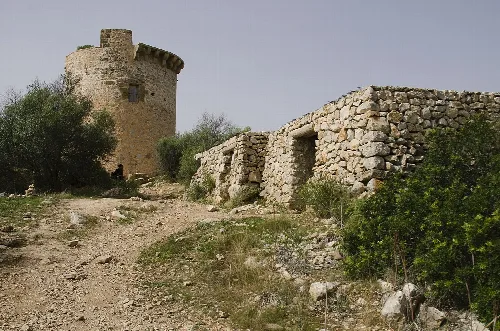
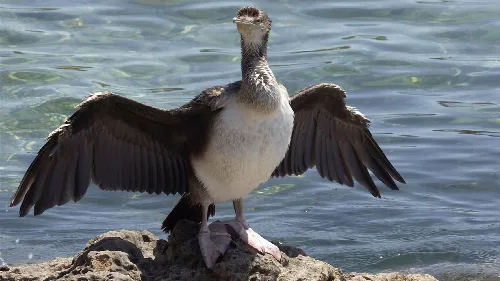
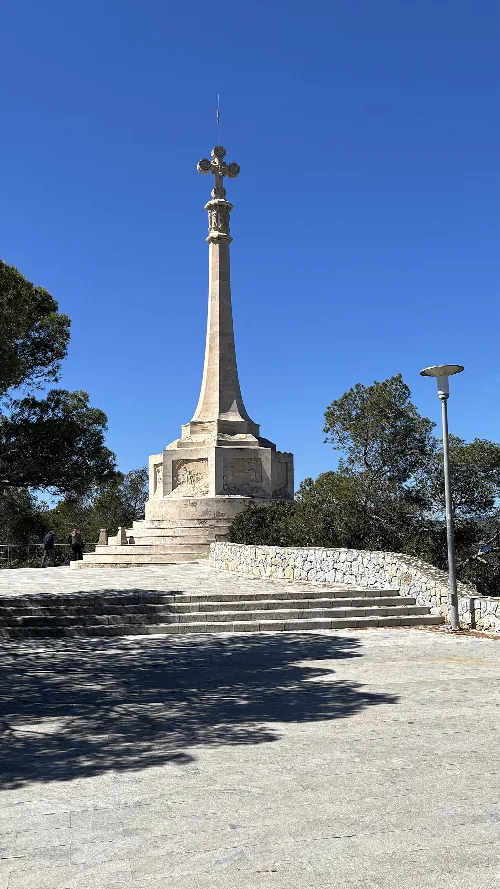
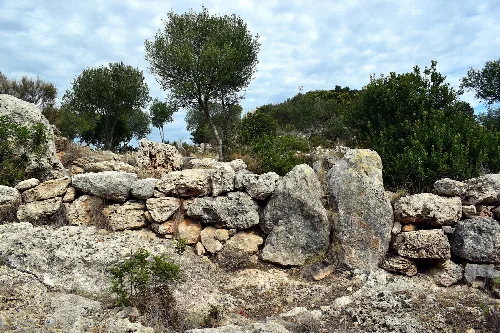
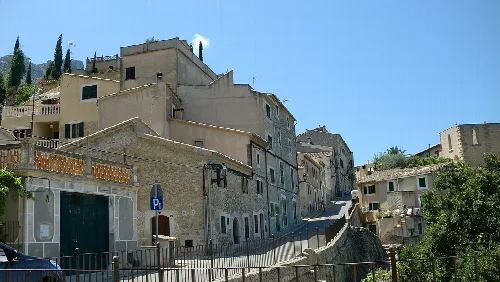
Torre del Cap Andritxol and old stone walls in Calvià, Serra de TramuntanaA cormorant stands on a rock by the water with its wings spread out.Panoramic view of Santa Ponsa with mountains in the background in Calvià, Mallorca.The 'Cruz del desembarco' monument in Santa Ponsa commemorating the start of the Christian conquest of MallorcaCyclopean wall of the Talayotic settlement Puig de sa Morisca near Santa Ponça in Calvià
Frequently asked questions
What are the main attractions in Calvià?
Calvià is known for its beautiful beaches, including Santa Ponsa, Palmanova, and Magaluf. Additionally, the Torre del Cap Andritxol offers historical significance and stunning views. The area is rich in natural beauty, with the Serra de Tramuntana mountains providing opportunities for hiking and exploring local flora and fauna.
How did Calvià become a popular tourist destination?
Calvià's rise as a tourist destination began in the 1960s, driven by the development of its coastal resorts. The establishment of steamboat services in 1838 made access easier, attracting visitors seeking adventure and therapeutic experiences. Over time, its beautiful beaches and scenic landscapes solidified its reputation as a prime vacation spot.
A key historical event for Calvià is the landing of King James I of Aragon on 10 September 1229, marking the beginning of the conquest of Mallorca. This event significantly influenced local culture and traditions, as it led to the establishment of Catalan language and customs in the region.
Calvià enjoys a mild Mediterranean climate, characterized by hot, dry summers and cool, wet winters. The average annual temperature is around 19 °C, with July being the driest month and December the wettest. This climate supports a diverse range of flora and fauna, making it an attractive area for nature lovers.
Calvià hosts several local festivals, celebrating its cultural heritage. One notable event is the Festes de Santa Ponça, which commemorates the landing of King James I. This festival includes various activities such as parades, traditional music, and local food, attracting both residents and tourists alike.
What can you tell me about the Torre del Cap Andritxol?
The Torre del Cap Andritxol is a historic watchtower located in Calvià. It was built to protect the area from Mediterranean piracy. The tower, along with its old stone walls, offers a glimpse into the region's past and provides scenic views of the surrounding landscape.
Calvià has a population of approximately 53,793 residents. This makes it one of the most populated municipalities in the Balearic Islands, second only to Palma. The area has a diverse demographic, with a significant number of foreign residents contributing to its vibrant community.
What types of local cuisine can I expect in Calvià?
In Calvià, visitors can enjoy traditional Mallorcan cuisine, which includes dishes like sobrasada (a cured sausage), ensaïmada (a sweet pastry), and various seafood dishes. The local restaurants also serve Mediterranean fare, featuring fresh ingredients from the region, making dining a delightful experience.
What is the significance of the parish church in Calvià?
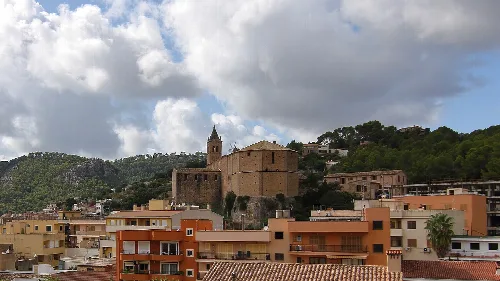
The parish church, Sante Ihoannes Caviano, has been a significant landmark in Calvià since 1248. Dedicated to Saint John the Baptist, it reflects the town's historical roots and serves as a center for local religious and cultural activities, symbolizing the community's heritage.
Calvià features a diverse natural landscape, with the Serra de Tramuntana mountains to the north and beautiful coastal areas. The region includes protected rural land, rocky shores, and sandy beaches, making it an ideal spot for outdoor activities like hiking, swimming, and birdwatching.
 mallorca.net