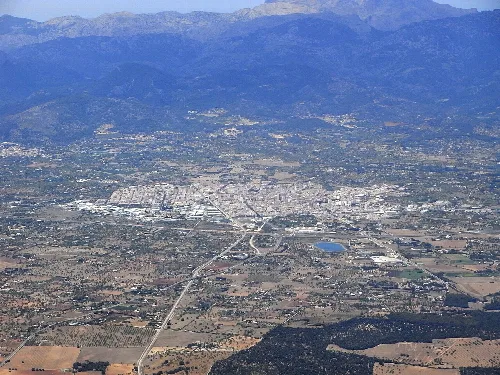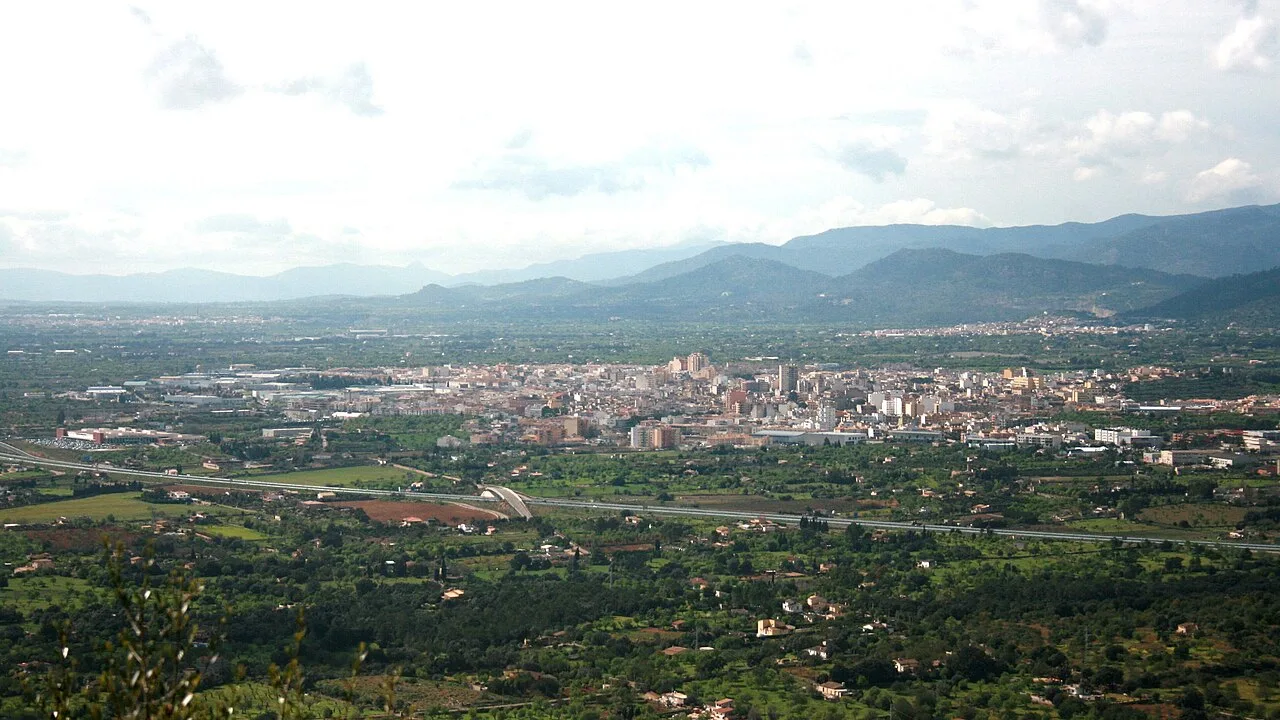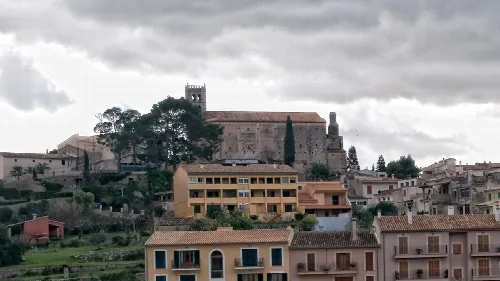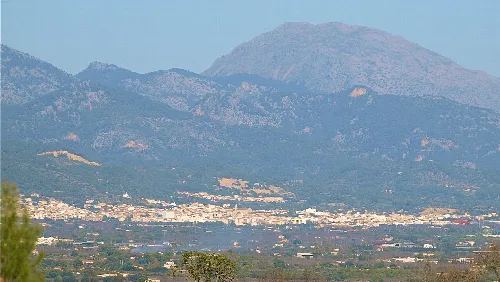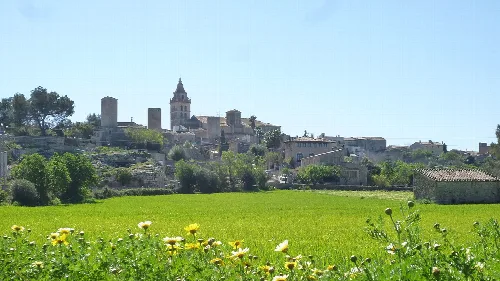
Panoramic view of Inca and the surrounding mountains from Puig de Santa Magdalena. Frank Vincentz, CC BY-SA 3.0

Inca

Mallorca

36,262Population
58.65 km²Area
12 mElevation
07300Postal code

Inca is a municipality located in the central-northern part of Mallorca, known for its rich history and economic significance. It serves as a vital center for agriculture, commerce, and the footwear industry, hosting several renowned brands.

02Geography

Inca is situated in a geological basin known as the Cubeta de Inca, which formed during the Serravallian period. The area is characterized by its sedimentary fill, which reaches depths of up to 1500 meters. Inca is bordered by several municipalities, including Selva, Búger, and Lloseta, and is strategically located as a crossroads between Palma and the northern regions of the island.

Average rainfall (high area)
800 mm
Average rainfall (low area)
600 mm
Main torrent
Torrent de Can Tabou
Subbasin area
456 km²
Subbasin length
32 km

03History

The history of Inca can be traced back to prehistoric times, with significant developments during the Roman and Islamic periods. Inca was a prominent settlement during the Islamic era, known for its agricultural production and trade. Following the conquest of Mallorca by Jaime I, it evolved into a vital parish and later a town, experiencing growth through various economic activities.

Inca is a municipality in Mallorca, noted for its history and as a hub for agriculture and footwear manufacturing.

04Economy and Daily Life

Inca is recognized as an important economic center in Mallorca, particularly noted for its footwear industry. The city hosts several well-known brands that distribute products both nationally and internationally. The local economy also benefits from agriculture, construction, and commerce, contributing significantly to the municipality's financial output.

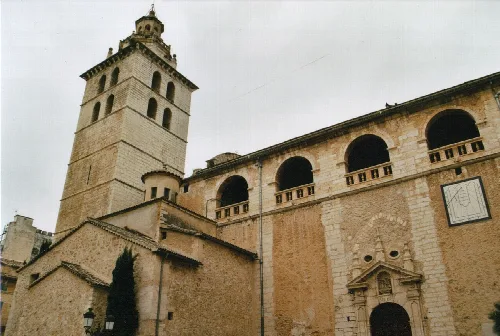
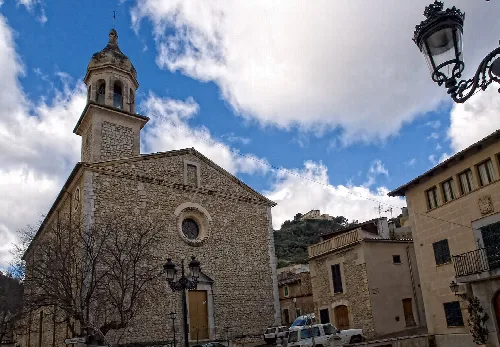
View of the Santa Maria la Major church in Inca with bell tower.
The Santa Maria la Major parish church in Inca with its tall bell tower.
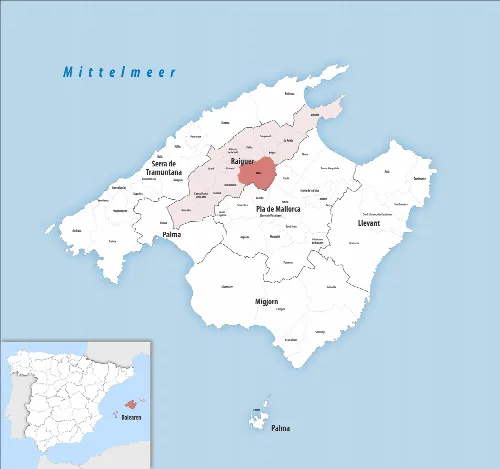
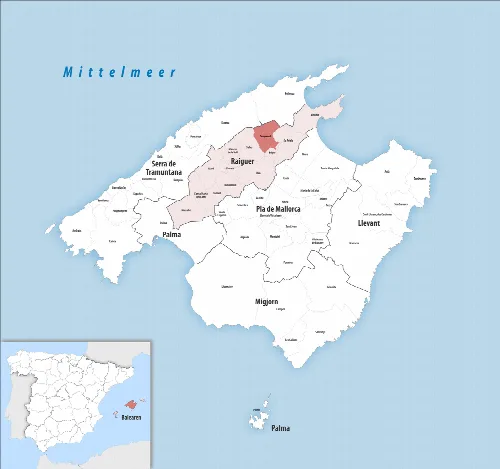
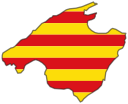
Map of Inca municipality on Mallorca with surrounding municipalities
Map of the municipality of Inca in the Raiguer comarca on Mallorca

05Cultural Heritage

Inca boasts a rich cultural heritage, reflected in its architecture and annual festivals. Notable religious structures include the gothic-style ermita de Santa Magdalena and the baroque church of Santa María de la Mayor. The city also celebrates various festivals that highlight its traditions and community spirit.

Inca · Data
Region
Raiguer
Island
Mallorca
Population
36,262
Area
58.65 km²
Elevation
12 m
Postal code
07300
Website
http://incaciutat.com/
Coordinates
39.7167, 2.9167

Photos

Aerial view of Inca with mountains in the background.
View from the southeast of Inca on Mallorca with surrounding mountains.
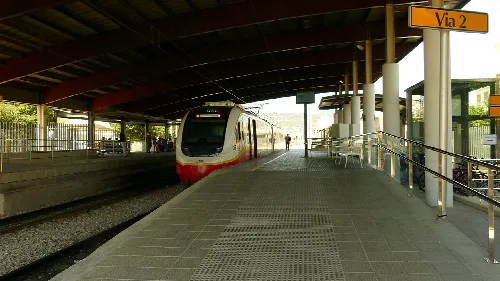
Inca station with an electric train heading to Palma
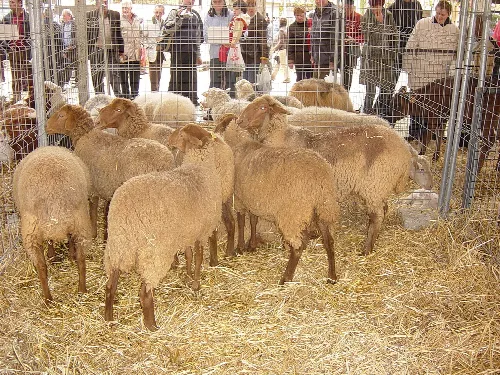
Red Mallorcan sheep in a pen at the fair in Inca.
Group of red Mallorcan sheep at the Dijous Bo fair in Inca, Mallorca.
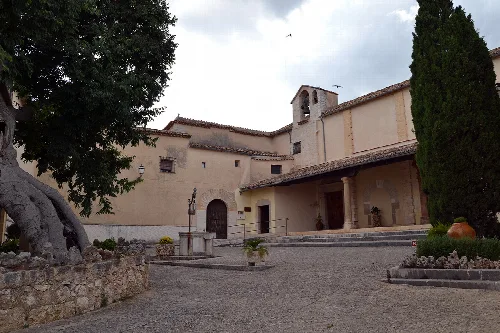
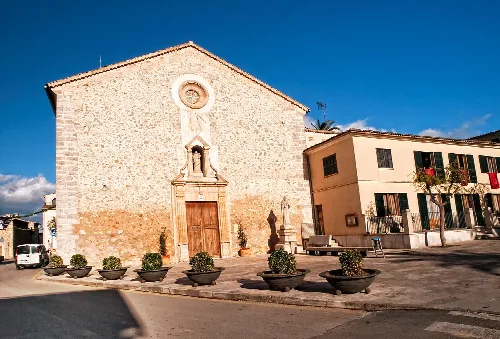
Convent with church, trees, and courtyard in Inca
Convent of cloistered nuns in Inca with view of the facade and courtyard
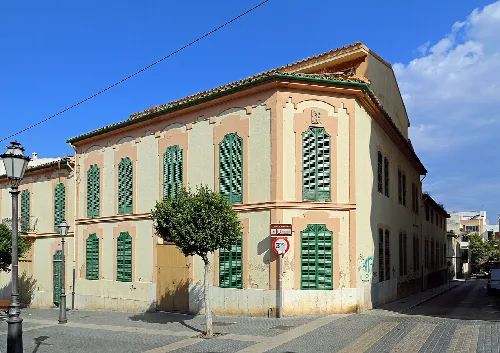
Corner house with green windows and a tree in Inca
Corner of a house at the intersection of Carrer del Bisbe Llompart and Carrer dels Malferits in Inca

Frequently asked questions

Panoramic view of Inca and the surrounding mountains from Puig de Santa Magdalena.

What is the view like from Puig de Santa Magdalena?

The view from Puig de Santa Magdalena offers a stunning panorama of Inca and the surrounding mountains. This elevated vantage point allows visitors to appreciate the natural beauty of the area, showcasing the lush landscapes and the town's layout. It's a perfect spot for photography and enjoying the serene environment of Mallorca.

Nature
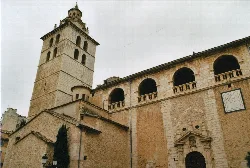
View of the Santa Maria la Major church in Inca with bell tower.

What can you tell me about the Santa Maria la Major church in Inca?

The Santa Maria la Major church is a notable landmark in Inca, featuring a tall bell tower and a blend of architectural styles, primarily Baroque. Originally built in the 14th century, it underwent significant expansions in the 18th century, making it a key historical and cultural site in the town.

Sights Santa Maria la Major

How do I get to Inca from Palma?

Inca is well-connected to Palma by various transport options. The most common way is by taking the train from the Estación Intermodal-Plaza de España in Palma, which provides a direct route to Inca. Alternatively, there are interurban buses available that also link the two locations efficiently.

Getting there

What is Dijous Bo and when does it take place?

Dijous Bo, or 'Good Thursday,' is a major annual market event in Inca, celebrated on the fourth Thursday after the feast of San Lucas. This vibrant festival features various cultural, sporting, and gastronomic activities, attracting visitors from all over Mallorca to experience local products and entertainment.

Festivals & events

What historical significance does Inca have?

Inca has a rich history that spans from prehistoric times through Roman and Islamic periods to modern history. It was a significant agricultural and commercial center during the Islamic era and later became known for its shoe manufacturing industry, which flourished in the 19th and 20th centuries, shaping its economic landscape.

History

What are the main industries in Inca today?

Inca is an important economic center in Mallorca, with key industries including agriculture, construction, commerce, and manufacturing. The town is particularly renowned for its shoe production, with several well-known brands like Camper and Lottusse operating in the area, contributing significantly to its economy.

Living there For residents

What is the significance of the Talayot in Inca?

The Talayot of Inca is an important archaeological site representing the Talayotic culture, which thrived in the region from around 2000 BC to 123 BC. These structures are remnants of ancient settlements, showcasing the historical significance of Inca and its early inhabitants, contributing to our understanding of prehistoric Mallorca.

History Talayot

What activities are part of the Fiestas de San Abdón y San Senén?

The Fiestas de San Abdón y San Senén, celebrated on July 30, feature a mix of religious ceremonies at the Santa Maria la Mayor church, along with concerts, theatrical performances, and folkloric displays throughout Inca. This vibrant celebration fosters community spirit and showcases local culture.

Festivals & events

What is the significance of the Torrent de Can Tabou?

The Torrent de Can Tabou is a key hydrological feature in Inca, forming part of the larger Torrent de Muro basin. It plays an essential role in the local ecosystem and has historical significance as it has been utilized for irrigation and water management in the region, reflecting the area's agricultural heritage.

Nature Torrent de Can Tabou For residents

What can you tell me about the architecture in Inca?

Inca boasts a diverse architectural landscape, featuring a mix of Gothic, Baroque, and traditional styles. Notable structures include the Santa Maria la Mayor church, the Monastery of Sant Bartomeu, and various historic buildings that reflect the town's rich cultural heritage and evolution over centuries.

Sights
Map

Nearby

General Landscape of Selva (Mallorca, Spain)
Selva
Raiguer · 4,326 inhabitants
Lloseta village and Tomir mountain in the background.
Lloseta
Raiguer · 6,463 inhabitants
Church in Costitx with simple facade and wooden door.
Costitx
Pla de Mallorca · 1,591 inhabitants
Landscape with church, buildings, and green field in Sencelles.
Sencelles
Pla de Mallorca · 3,973 inhabitants

Own text, written with AI assistance from the facts in Wikipedia · Inca, Spain · Data: Wikidata Q988688 · Photos: Wikimedia Commons, see individual licenses. · CC BY-SA 4.0