What's the history behind the name Marratxí?
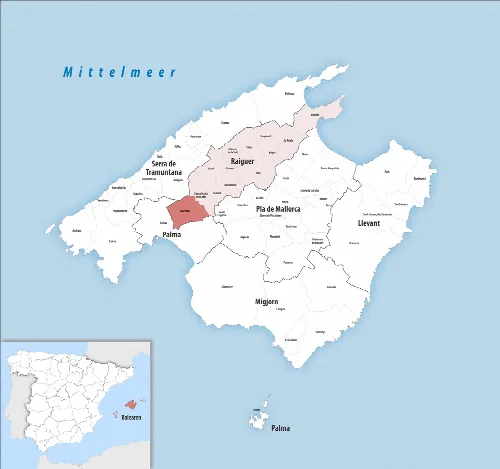
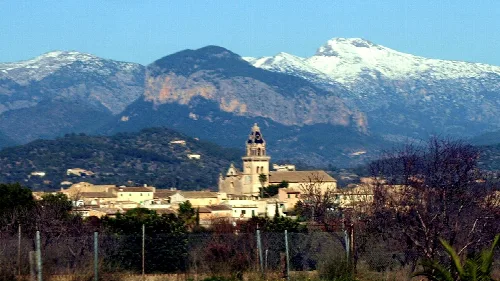
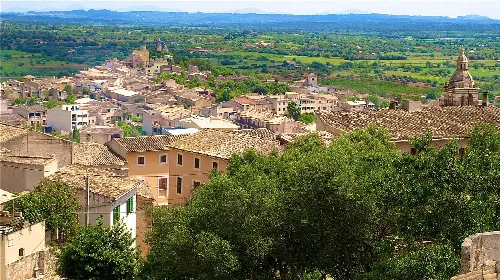
The name Marratxí has several possible origins. It may derive from the Mozarabic word for 'barraca', or from the Arabic term 'marrksí', meaning 'from Marrakesh'. The first mention of the municipality appears in the Book of Distribution of Mallorca as 'Barraxino'. Throughout history, it has been inhabited by various cultures, including Talayotic, Roman, Arab, and medieval Christian civilizations.
History
What are the main natural spaces in Marratxí?
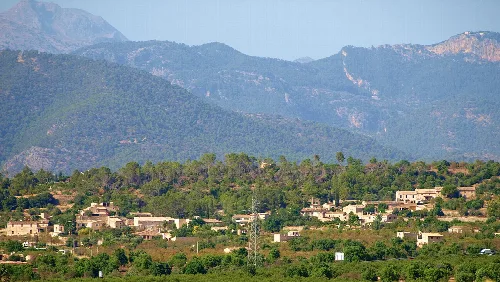
Marratxí features several protected natural areas, including Garriga de Son Caulelles, Puig de Son Seguí, and Son Cos. These areas host diverse flora and fauna, such as various bird species and interesting plant life, including orchids. They also contain archaeological sites, like prehistoric remains and a Roman road, making them significant for both nature lovers and history enthusiasts.
Nature
What can you tell me about the Son Sureda manor house?
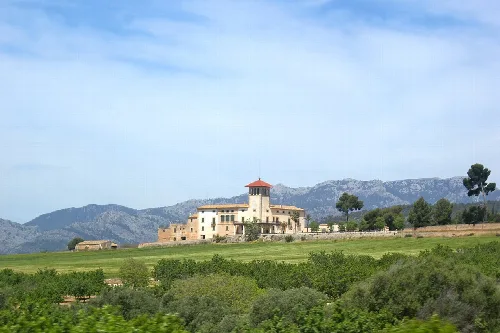
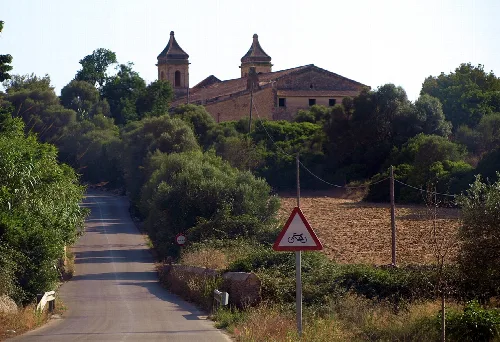
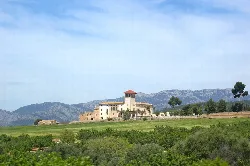
The Son Sureda manor house is a notable landmark in Marratxí, set against a backdrop of mountains and green fields. This historic building reflects the architectural style of its time and is surrounded by beautiful natural scenery. It's a great spot for photography and enjoying the tranquil landscape of the area.
Sights
Son Sureda
How has Marratxí's population changed over the years?
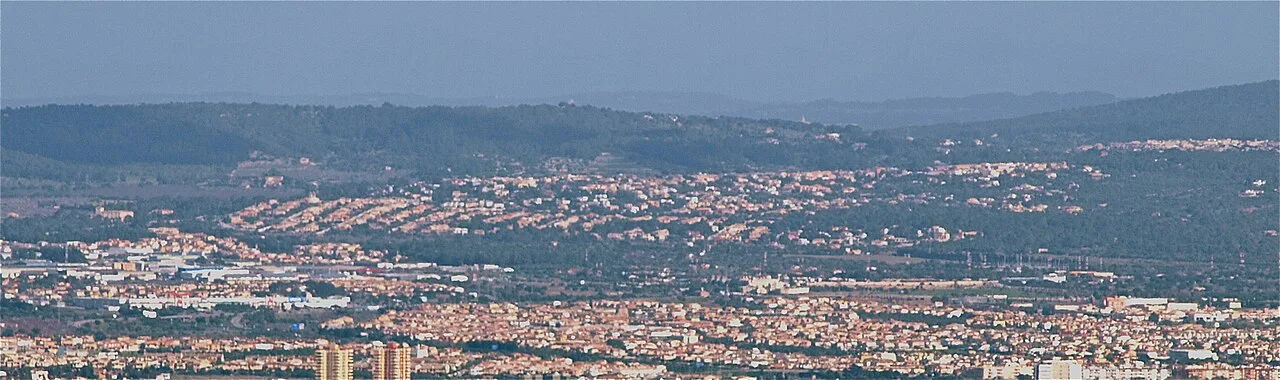
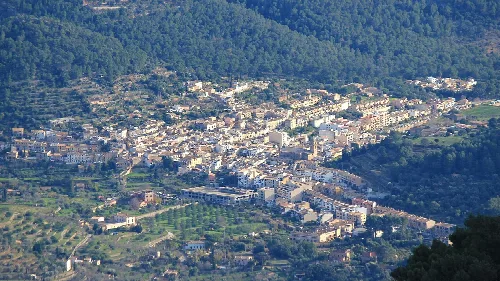
Marratxí has seen significant population growth, with 40,422 residents as of 2025. This increase is largely due to its proximity to Palma, which has made it an attractive location for new housing developments. The municipality has evolved from a rural area to a bustling residential community, especially since the 1980s.
Living there
For residents
What are the main festivities celebrated in Marratxí?
Marratxí hosts several vibrant festivities, including the Fiesta de San Marcial on June 30, which is the patron saint's day. Other notable celebrations include the Fiesta de la Virgen del Carmen on July 16 and the Feria del Barro in March, showcasing traditional pottery. These events highlight local culture and community spirit, attracting both residents and visitors.
Festivals & events
What is the significance of the church of San Marcial in Marratxí?
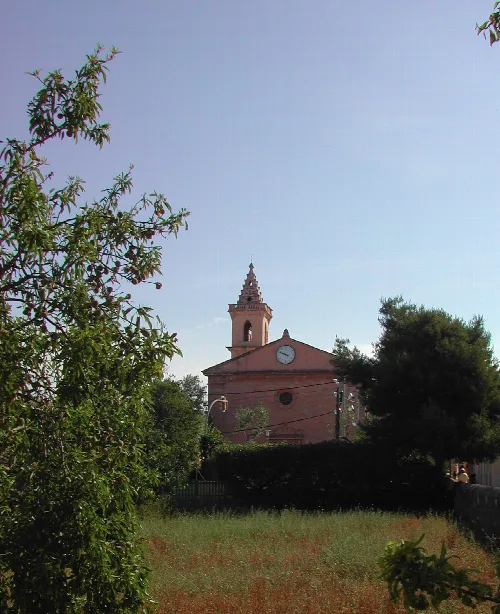
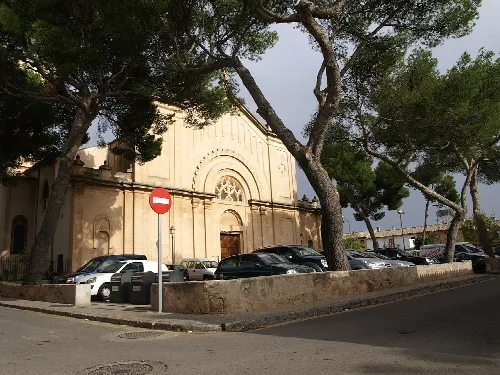
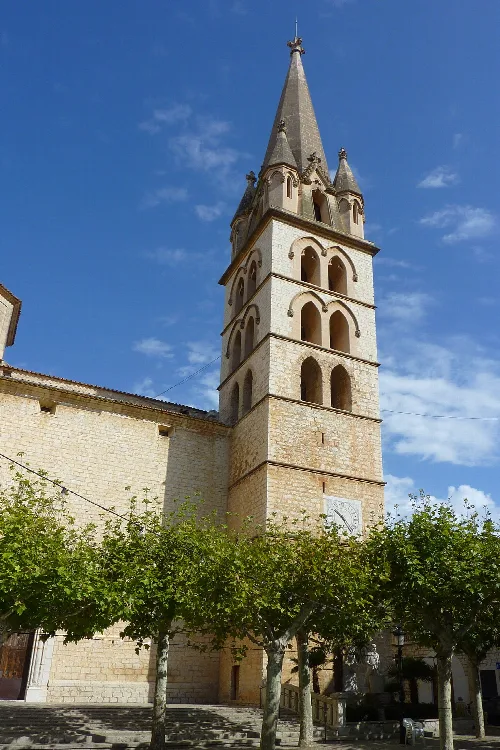
The church of San Marcial, built in the 17th and 18th centuries, is a key religious site in Marratxí. It features a Baroque altarpiece from 1734 and has undergone several restorations, particularly after a damaging earthquake in 1851. This church serves as a central place of worship and community gatherings for the residents.
History
Iglesia de San Marcial For residents
What kind of climate does Marratxí have?
Marratxí experiences a Mediterranean climate characterized by mild winters and hot summers. Winters can see occasional frost and light snowfall, while summers are typically warm, making it a pleasant place to live and visit throughout the year.
Nature
For residents
What is the weekly market like in Marratxí?
Marratxí hosts a weekly market every Sunday, which began in September 2009. Initially located in the San Marcial urbanization, it has since moved to the Marrachí industrial area. The market offers a variety of local products, crafts, and food, creating a lively atmosphere for residents and visitors alike.
Festivals & events
What are the main transportation options in Marratxí?
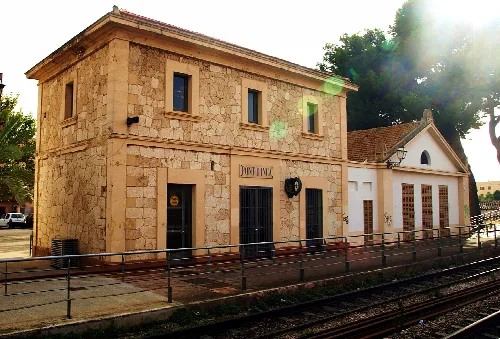
Marratxí is well-connected by various transportation options, including the Ma-13A road linking Palma to Inca. The area is served by several train stations on the Mallorca railway, facilitating easy access to Palma and other nearby towns. Public transport options make commuting convenient for residents.
Getting there
For residents
What is the Museo del Barro in Marratxí?
The Museo del Barro, located in the old mill of La Cabaneta, celebrates Marratxí's rich tradition of pottery and ceramics. It showcases around 900 handcrafted pieces, reflecting the local craftsmanship that has been passed down through generations. This museum is a testament to the municipality's cultural heritage and artisanal skills.
Sights
Museo del Barro
 mallorca.net